
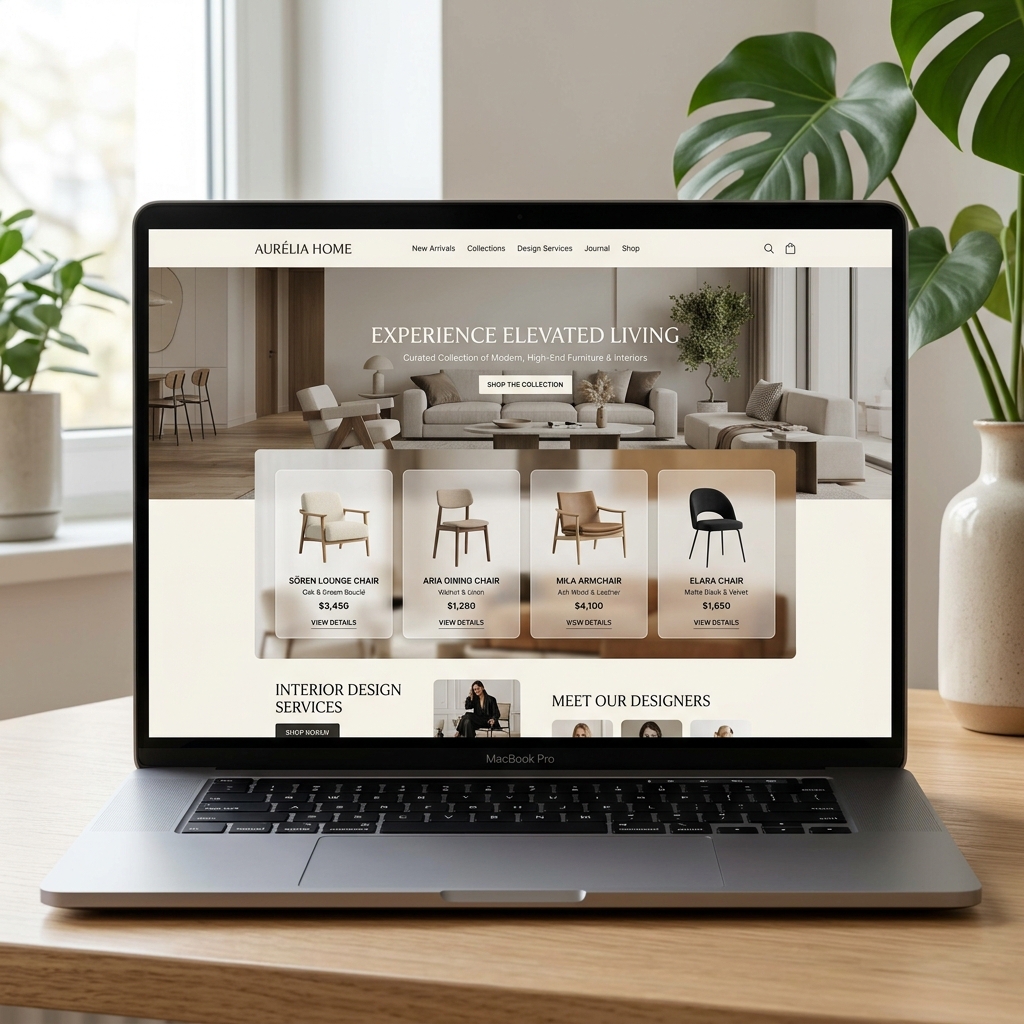

The Psychology of Color in Web Design

Hues trigger chemical reactions in the human brain that drive immediate actions. In the digital space, color is one of the most effective tools for commanding visual focus and creating emotional resonance.

1. Colors and User Behavior

Primary color tones define the dominant character of your web presence. Using deep professional blues evokes structural integrity, security, and competence, which is why financial institutions and software developers prefer them. Conversely, accents (like purple and cyan) are ideal for conversion-focused actions like sign-ups, checkouts, and custom consultations.

2. Gradient Harmony

Modern interfaces use gradients to direct focus. Combining blue and purple in a CTA button gradient draws the user’s eye to primary actions. This visual priority naturally increases click-through rates (CTR) and campaign returns.

3. High Contrast & Accessibility

Aesthetic design must not compromise accessibility. Maintaining high color-contrast ratios between text (e.g. slate #111827) and light backgrounds (#F7F9FC) ensures content is readable for all visitors, improving SEO indexability and lowering page bounce metrics.


Related Insights

How Graphic Design Shapes Your Business Identity
Brand Identity June 15, 2026 By Rani Roy

How Graphic Design Shapes Your Business Identity

Modern consumers make brand credibility assessments in under 50 milliseconds. Discover how color palettes, font weights, and layout structures establish visual authority, foster customer loyalty, and directly affect acquisition marketing budgets.

Read Entire Guide
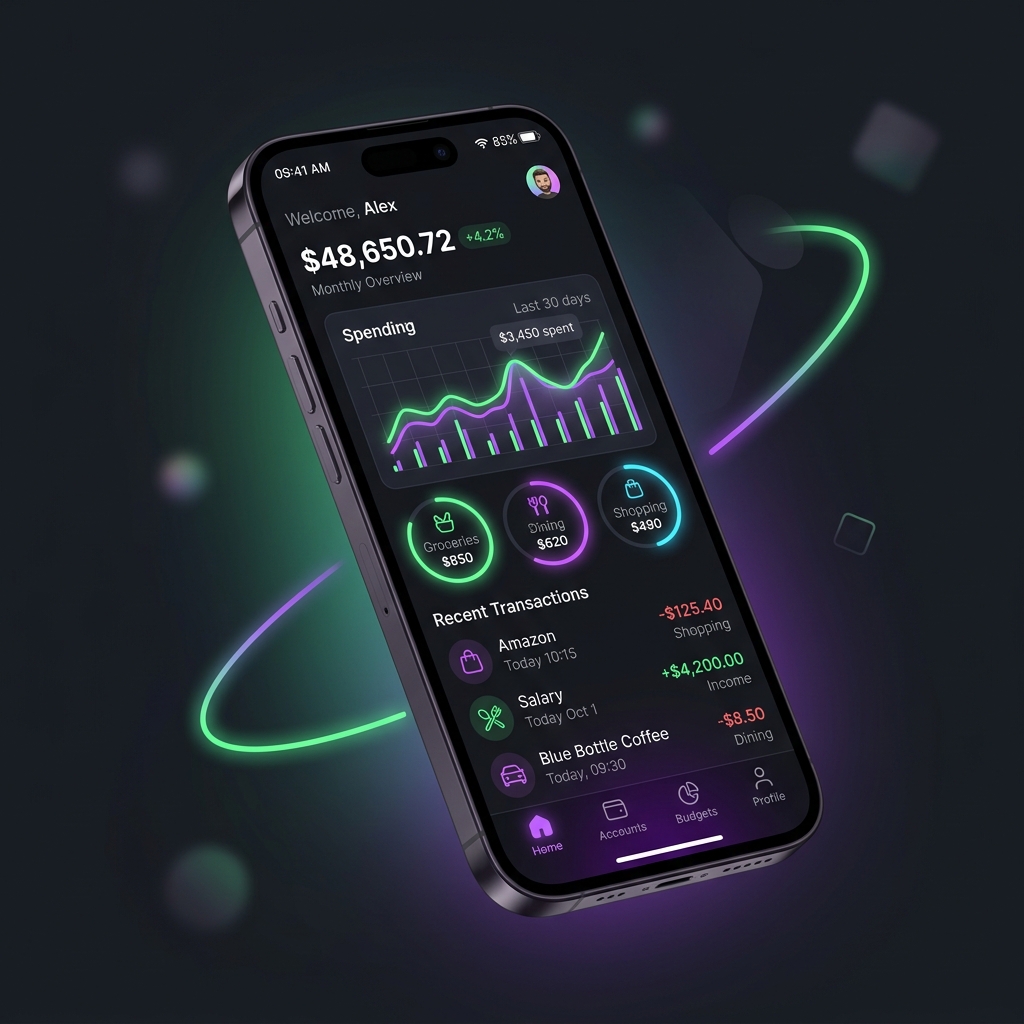
Why UX Should Be Your Top Priority
UI/UX Engineering June 10, 2026 By Mohit Bhatnagar

Why UX Should Be Your Top Priority

A high-performance codebase is useless if your conversion flow confuses active customers. This paper details micro-interaction models, page layout hierarchies, and user pathways that eliminate checkout friction and increase margins by up to 400%.

Read Entire Guide